
 See My Latest Article on HelloNation
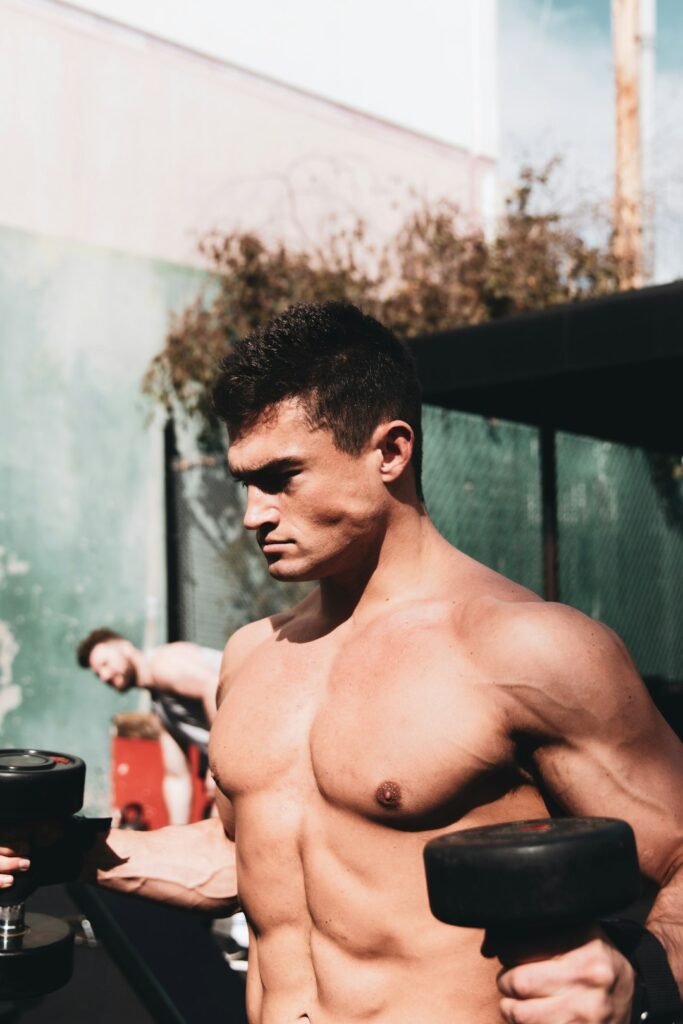
Starting bodybuilding in Los Angeles, CA, does not require advanced equipment, a complicated meal plan, or years of athletic experience. Beginners make the most progress by learning a few basic movement patterns, training consistently, eating enough nourishing food, and allowing the body time to recover.
What does bodybuilding involve?
Bodybuilding is resistance training performed with the goal of increasing muscle size, strength, and overall physical development. Training may use free weights, machines, resistance bands, or bodyweight exercises.
A beginner does not need to train like an experienced competitor. The early focus should be learning safe technique, building a regular routine, and gradually increasing the challenge placed on the muscles.
A useful beginner program generally trains:
- Legs and hips
- Chest, shoulders, and arms
- Back and upper-body pulling muscles
- Core muscles
- Cardiovascular fitness and general movement
The goal is not to exhaust every muscle at every workout. A well-designed routine should be challenging but repeatable.
How often should a beginner train?
Most beginners can start with two or three resistance-training sessions per week. This schedule provides enough stimulation to make progress while leaving time for recovery and practice.
Full-body workouts are often practical at the beginning. Each session can include one exercise from several major categories:
- A squat or leg-press movement
- A hip-hinge movement, such as a deadlift variation
- A pushing exercise for the chest or shoulders
- A pulling exercise for the back
- A simple core exercise
Training on nonconsecutive days, such as Monday, Wednesday, and Friday, gives many people adequate recovery. However, schedules in a dense, active community may vary because of work hours, commuting, family responsibilities, and limited space at home. A routine that can be followed consistently is more useful than an ambitious plan that is abandoned after a few weeks.
Which exercises should beginners learn first?
Beginners should start with exercises that train several muscle groups and can be performed with controlled movement. The specific equipment is less important than proper positioning and gradual progression.
Common choices include:
- Goblet squats or bodyweight squats
- Split squats or step-ups
- Romanian deadlifts with light weights
- Push-ups or chest presses
- Overhead presses with manageable resistance
- Seated rows or one-arm rows
- Lat pulldowns or assisted pull-ups
- Planks, dead bugs, or loaded carries
Use a range of motion that can be controlled without pain. Keep the weight light enough to learn the movement rather than chasing heavier numbers. A mirror can help with basic posture, but constantly watching the mirror can also distract from balance and control.
A beginner may perform one to three sets of approximately eight to twelve repetitions for many exercises. Some movements, such as planks or loaded carries, are better measured by time or distance. The right number depends on the exercise, training history, and individual health.
How can someone increase muscle safely?
Muscle growth requires progressive overload, which means gradually asking the body to do more work. Progress does not always mean adding weight. A person can also improve by performing more repetitions, completing an additional set, using better technique, or moving through a controlled range of motion.
A simple progression method is to choose a repetition range. For example, a person might perform two sets of eight to twelve repetitions. Once twelve repetitions can be completed with steady technique and a few repetitions still in reserve, the resistance can be increased slightly.
Avoid increasing weight when movement becomes jerky, posture collapses, or joints begin to hurt. Muscle fatigue is common; sharp, sudden, or persistent pain is a reason to stop the exercise and reassess.
Keeping a basic training log can reveal gradual progress. Record the exercise, resistance, repetitions, sets, and any unusual discomfort. This information is more useful than judging progress from day-to-day changes in the mirror.
What should beginners eat for bodybuilding?
A bodybuilding diet should provide enough calories, protein, carbohydrates, fats, vitamins, minerals, and fluids. Extreme restriction is usually unnecessary for a beginner and can make training, sleep, and recovery more difficult.

Protein supports muscle repair and growth. Practical sources include eggs, dairy foods, poultry, fish, beans, lentils, tofu, tempeh, and other protein-rich foods. Many active adults can support training with roughly 1.4 to 2.0 grams of protein per kilogram of body weight per day, although personal needs vary.
Carbohydrates provide useful training energy. Rice, potatoes, oats, fruit, bread, beans, and other carbohydrate-containing foods can fit into a balanced plan. Healthy fats from foods such as nuts, seeds, avocados, olive oil, and fatty fish also support normal body functions.
Meals do not need to be perfectly timed. A balanced meal several hours before training can provide energy, while a meal containing protein afterward supports recovery. During hot weather, outdoor activity, or workouts in spaces without strong cooling, fluid intake deserves extra attention. Thirst, urine color, workout duration, and sweat loss can help guide hydration.
How much rest and sleep are needed?
Recovery is part of the training program, not a break from it. Muscles adapt between workouts when the body has adequate sleep, food, and rest.
Most adults benefit from approximately seven to nine hours of sleep per night. New parents, shift workers, and people managing demanding schedules may not consistently reach that amount, so training volume may need to be adjusted. Persistent soreness, declining performance, unusual fatigue, irritability, or disrupted sleep can signal that the routine is too demanding.
Light walking, mobility work, and ordinary daily activity can support recovery without adding another hard workout. Los Angeles residents may also need to account for heat, long periods of sitting, and air-quality conditions that can affect outdoor cardio or training comfort.
Can beginners build muscle at home?
Yes. Home training can be effective when resistance is sufficient and exercises become progressively more challenging. A pair of adjustable weights, resistance bands, a sturdy bench, or a pull-up bar can provide many options, but equipment is not mandatory.
Bodyweight squats, push-ups, split squats, planks, and controlled tempo exercises can create a useful starting point. As strength improves, beginners can increase repetitions, slow the lowering phase, add pauses, use more difficult variations, or introduce external resistance.
Apartment living may require attention to noise, floor protection, ceiling height, and safe storage. Jumping exercises and dropped weights can disturb neighbors or damage flooring, so quiet movements are often more practical in shared buildings.
What mistakes should beginners avoid?
Several common mistakes slow progress or increase injury risk:
- Changing programs every week
- Using more weight than can be controlled
- Training only visible muscles such as the chest and arms
- Skipping warm-ups and movement preparation
- Ignoring sleep and nutrition
- Expecting major physical changes within a few days
- Comparing beginner progress with advanced lifters
- Treating soreness as proof that a workout was effective
A short warm-up can include five to ten minutes of easy movement followed by lighter practice sets. The purpose is to prepare the joints and rehearse technique, not to become exhausted before resistance training begins.
Anyone with a known medical condition, a recent injury, unexplained chest pain, fainting, or significant joint symptoms should obtain appropriate medical guidance before beginning strenuous exercise. During training, stop for concerning symptoms such as chest pressure, severe shortness of breath, dizziness, or sudden weakness.
How long does it take to see results?
Strength often improves within the first several weeks because the nervous system becomes more efficient at coordinating movement. Visible muscle growth usually takes longer and depends on training consistency, nutrition, sleep, age, genetics, and starting condition.
Measure progress in several ways: improved technique, increased repetitions, greater resistance, better stamina, clothing fit, and periodic photographs taken under similar conditions. Daily body weight and appearance can change because of hydration, food intake, stress, and normal fluctuations.
For most beginners, the most productive approach is modest and repeatable: train two or three times each week, practice the major movements, eat regular balanced meals, sleep as well as circumstances allow, and make gradual adjustments based on performance.