
 See My Latest Article on HelloNation
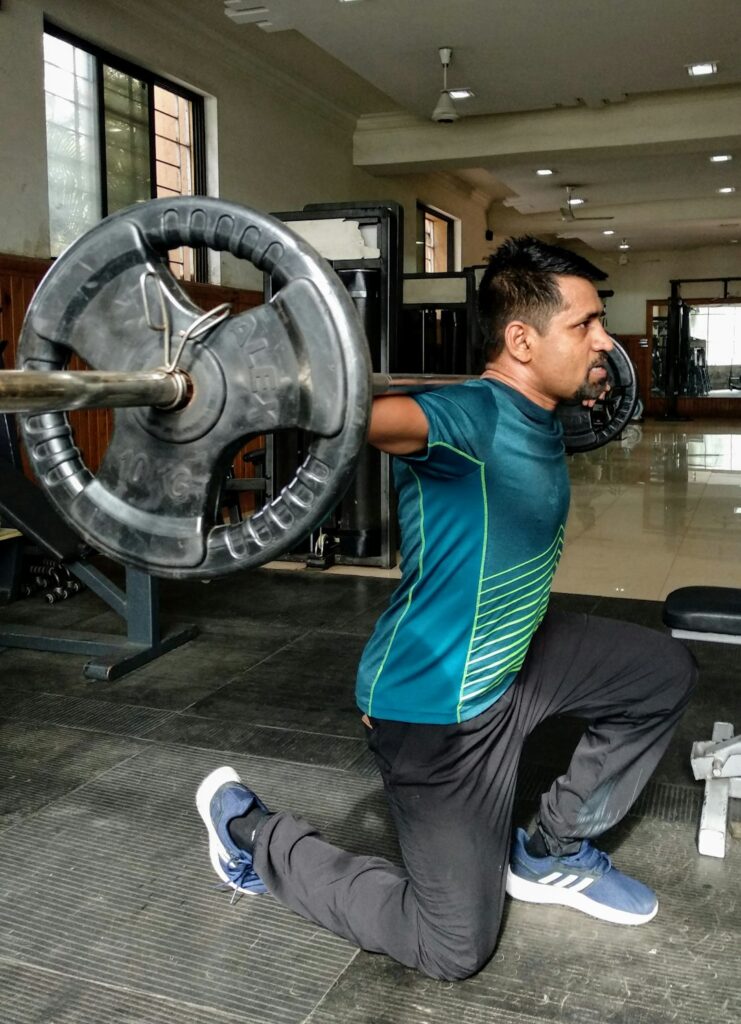
Starting a bodybuilding routine does not require complicated exercises, long workouts, or a highly restrictive diet. Beginners usually make the best progress with a simple plan that trains each major muscle group consistently, allows enough recovery, and increases difficulty gradually.
For residents of Los Angeles, CA, a routine may need to account for warm weather, busy schedules, limited home space, and the temptation to train outdoors during hotter parts of the day. The most useful program is one that can be repeated safely and realistically.
How many days per week should a beginner lift weights?
A beginner should usually strength train two to four days per week. Three full-body workouts are a practical starting point because they provide enough training frequency without making recovery difficult.
A sample weekly schedule could look like this:
- Monday: Full-body workout
- Tuesday: Walking, mobility, or rest
- Wednesday: Full-body workout
- Thursday: Light activity or rest
- Friday: Full-body workout
- Saturday and Sunday: Rest, walking, or optional light conditioning
Beginners do not need to train every day. Muscle growth occurs during recovery as the body repairs the stress created by resistance training. Training the same muscles intensely on consecutive days can reduce performance and increase soreness without producing better results.
What exercises belong in a beginner bodybuilding routine?
A balanced routine should include movements that train the legs, chest, back, shoulders, arms, and midsection. Machines, free weights, resistance bands, and bodyweight exercises can all work.
A basic full-body session may include:
- Squat, leg press, or sit-to-stand movement
- Romanian deadlift, hip hinge, or leg curl
- Push-up, chest press, or dumbbell bench press
- Seated row, one-arm row, or pulldown
- Overhead press or controlled shoulder-raise variation
- Curl and triceps-extension movement
- Plank, dead bug, or other core exercise
This list does not need to be completed with every possible variation. Choose one exercise from each major category and perform it with controlled technique. A beginner may start with five or six exercises per workout, rather than trying to include every movement seen in a gym.
How many sets and repetitions should beginners use?
Most beginners can start with two or three sets of approximately eight to twelve repetitions for many exercises. Some movements, such as planks or lighter shoulder exercises, may be better measured by time or higher repetitions.
A practical starting structure is:
- Large lower-body and upper-body exercises: 2–3 sets of 8–12 repetitions
- Smaller arm and shoulder exercises: 2–3 sets of 10–15 repetitions
- Core exercises: 2–3 sets of 20–45 seconds or 8–15 controlled repetitions
The final repetitions should feel challenging, but the person should still be able to maintain good form. If every set ends with severe strain, the weight is probably too heavy for the current skill level. If a set feels effortless, the load may be too light to provide a useful training stimulus.
Rest for roughly one to three minutes between sets. Longer rest is reasonable after demanding exercises such as squats or deadlifts.
How should a beginner choose the right weight?
Start with a weight that allows the exercise to be performed smoothly for the target number of repetitions. The first workout is not a test of maximum strength. It is an opportunity to learn positioning, range of motion, breathing, and control.
A useful guideline is to finish most sets with about two or three good repetitions still available. This approach provides enough effort for progress while reducing the likelihood of losing technique.
Increase the weight only when:
- The upper end of the repetition range is reached on every set
- Form remains consistent
- The exercise feels controlled from beginning to end
- Recovery between workouts is manageable
A small increase is usually sufficient. Adding too much weight at once can turn a muscle-building exercise into a test of balance, momentum, or joint tolerance.
What does progressive overload mean?
Progressive overload means gradually asking the body to do more work over time. It does not always mean adding weight.
A beginner can progress by:
- Adding one or two repetitions
- Increasing the weight slightly
- Performing another set
- Improving range of motion
- Using slower, more controlled repetitions
- Reducing unnecessary rest while maintaining form

Record the exercise, weight, repetitions, and sets after each workout. This simple habit makes progress easier to measure and prevents random changes from week to week.
Progress should be gradual. A routine that feels manageable for several months is generally more useful than an aggressive plan that causes injury, exhaustion, or repeated breaks.
How long should each workout last?
A beginner bodybuilding workout usually takes about 45 to 70 minutes, including warm-up and rest periods. Longer sessions are not automatically more effective.
Begin with five to ten minutes of easy movement, such as walking, cycling, or gentle rowing. Follow this with a few practice repetitions using little or no weight. The warm-up should prepare the joints and muscles without creating fatigue before the main exercises begin.
The workout should emphasize quality rather than speed. Rushing between exercises can reduce concentration and make it harder to maintain safe technique.
How should food and recovery support muscle growth?
Muscle-building results depend on adequate protein, total food intake, hydration, sleep, and consistency. Beginners do not need an extreme diet to support progress.
Include protein-rich foods throughout the day, such as eggs, dairy foods, poultry, fish, beans, lentils, tofu, or other suitable options. Meals should also contain carbohydrates for training energy and fruits or vegetables for fiber and micronutrients.
Hydration deserves extra attention in warm conditions. Outdoor activity, poorly ventilated rooms, and high temperatures can increase fluid loss. Drink regularly throughout the day and pay attention to unusual fatigue, dizziness, headache, or cramping.
Most adults benefit from a consistent sleep schedule, with many needing approximately seven to nine hours per night. Persistent soreness, declining performance, irritability, or unusually poor sleep may indicate that training volume is too high or recovery is insufficient.
Can beginners build muscle at home?
Yes. A home routine can be effective with adjustable dumbbells, resistance bands, a stable bench, or bodyweight exercises. The main requirement is progressive challenge, not a particular type of equipment.
Home trainees should check that the floor is stable, the exercise area is clear, and equipment is appropriate for the available space. In denser housing, noise and vibration may also matter. Controlled movements, exercise mats, and avoiding dropped weights can reduce disturbance.
Outdoor training may be convenient, but heat exposure can affect performance. During warmer periods, choose cooler parts of the day, bring water, and avoid treating heat stress as evidence of a better workout.
What mistakes should beginners avoid?
Several common habits slow progress:
- Changing the program every week
- Training only visible muscles such as the chest and arms
- Using momentum instead of controlled movement
- Increasing weight before learning technique
- Ignoring rest days
- Comparing beginner progress with advanced lifters
- Treating soreness as the main sign of an effective workout
- Cutting food too aggressively while trying to gain muscle
Sharp pain, numbness, chest discomfort, faintness, or pain that changes normal movement should not be treated as ordinary training soreness. Stop the exercise and seek appropriate medical guidance, especially if symptoms are severe, persistent, or associated with an existing health condition.
A beginner routine works best when it is simple enough to repeat, challenging enough to encourage adaptation, and flexible enough to fit real life. The first goal is not perfection. It is building a reliable pattern of resistance training, recovery, and gradual improvement.